Antigua and Barbuda
Country in the Caribbean
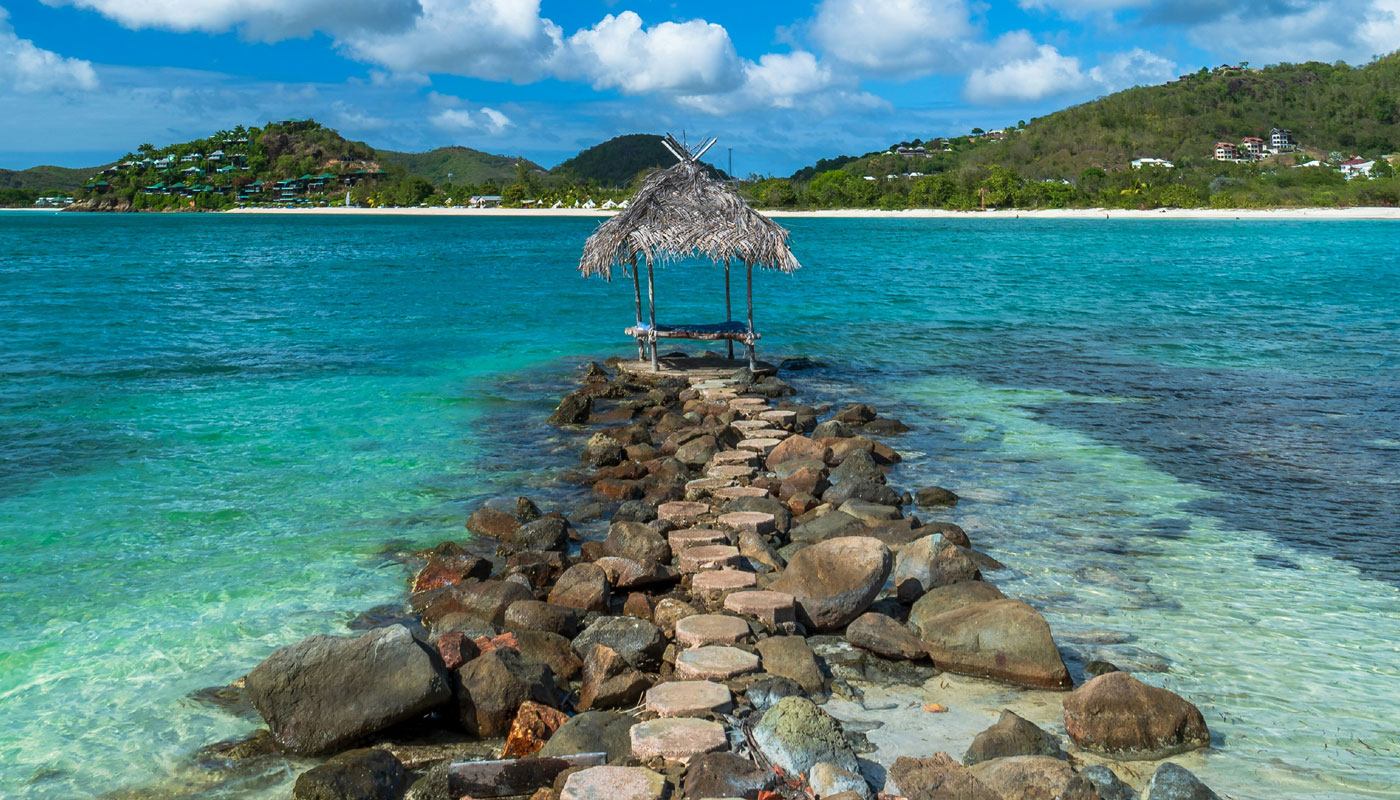
Photo by Patrizia Berta on Unsplash
Antigua and Barbuda is a twin-island nation located in the eastern Caribbean Sea, part of the Lesser Antilles. The country consists primarily of two major islands—Antigua, the larger and more populated, and Barbuda, known for its pristine, undeveloped beauty. The capital city, St. John’s, is on Antigua.
English is the official language, and the local currency is the Eastern Caribbean dollar (XCD). With a population of around 100,000, the country operates as a constitutional monarchy and is part of the Commonwealth of Nations.
Antigua and Barbuda is known for having 365 beaches—one for each day of the year—featuring white and pink sand, turquoise waters, and excellent sailing conditions. Tourism is the mainstay of the economy, along with financial services and agriculture.
Antigua is famous for its historic sites, luxury resorts, and annual events like Sailing Week and Carnival. Barbuda, by contrast, remains largely undeveloped, offering unspoiled nature, bird sanctuaries, and pink sand beaches.
The islands boast a mix of British colonial heritage, Afro-Caribbean culture, and natural beauty. Whether you’re into snorkeling, yachting, or simply relaxing on a quiet beach, Antigua and Barbuda delivers an authentic and unforgettable Caribbean experience.
Best places to visit in Antigua and Barbuda
Nelson’s Dockyard (Antigua)
A UNESCO World Heritage Site, this restored 18th-century naval base is the only Georgian dockyard still in operation. Located in English Harbour, it offers museums, historical buildings, restaurants, and stunning views. It’s a must-visit for history buffs and sailing enthusiasts.
Half Moon Bay (Antigua)
One of the island’s most beautiful beaches, Half Moon Bay is a crescent-shaped haven with pink-white sand and clear, surf-friendly waters. It’s ideal for picnics, windsurfing, or simply soaking in the natural beauty. Its secluded setting offers peace and tranquility.
Shirley Heights Lookout (Antigua)
This former military lookout offers the most iconic panoramic views in Antigua, overlooking English and Falmouth Harbours. On Sunday evenings, it transforms into a lively party with steel pan music, barbecue, and local rum punch—perfect for catching the sunset and island vibes.
Devil’s Bridge (Antigua)
A natural limestone arch formed by crashing Atlantic waves, Devil’s Bridge is a dramatic and historic site near Indian Town. It’s both a geological wonder and a place of cultural significance, once associated with slave folklore and resistance.
St. John’s Cathedral (Antigua)
Dominating the skyline of the capital, this striking Baroque-style cathedral is an important religious and architectural landmark. Its twin towers and white exterior offer a peaceful spot for reflection and a glimpse into Antigua’s colonial history and Christian heritage.
Darkwood Beach (Antigua)
Located on the island’s southwest coast, Darkwood Beach features calm, clear waters, soft sand, and scenic views of Montserrat on clear days. With fewer crowds and a laid-back beach bar, it’s a favorite among those seeking a relaxed, local beach experience.
Barbuda’s Pink Sand Beach (Barbuda)
This nearly untouched beach stretches for miles, with sands tinted pink by crushed coral. The shallow waters are perfect for swimming and shell collecting. Its remoteness offers total serenity—perfect for those seeking solitude and natural beauty in its purest form.
Frigate Bird Sanctuary (Barbuda)
One of the largest frigate bird colonies in the world, this sanctuary in Codrington Lagoon hosts over 5,000 birds. Accessible only by boat, guided tours let you witness mating rituals, giant wingspans, and pristine mangrove ecosystems.
Betty’s Hope (Antigua)
An open-air museum and former sugar plantation, Betty’s Hope offers insight into Antigua’s colonial and slavery history. Visitors can explore restored windmills, ruins, and exhibitions detailing plantation life. It’s a sobering but essential visit for understanding the island’s past.
Dickenson Bay (Antigua)
One of Antigua’s most developed beach areas, Dickenson Bay offers everything from water sports and beachfront dining to luxury resorts. The calm waters are perfect for swimming and jet skiing, while its social atmosphere makes it a lively spot for day or night.