The Bahamas
Country in the Caribbean
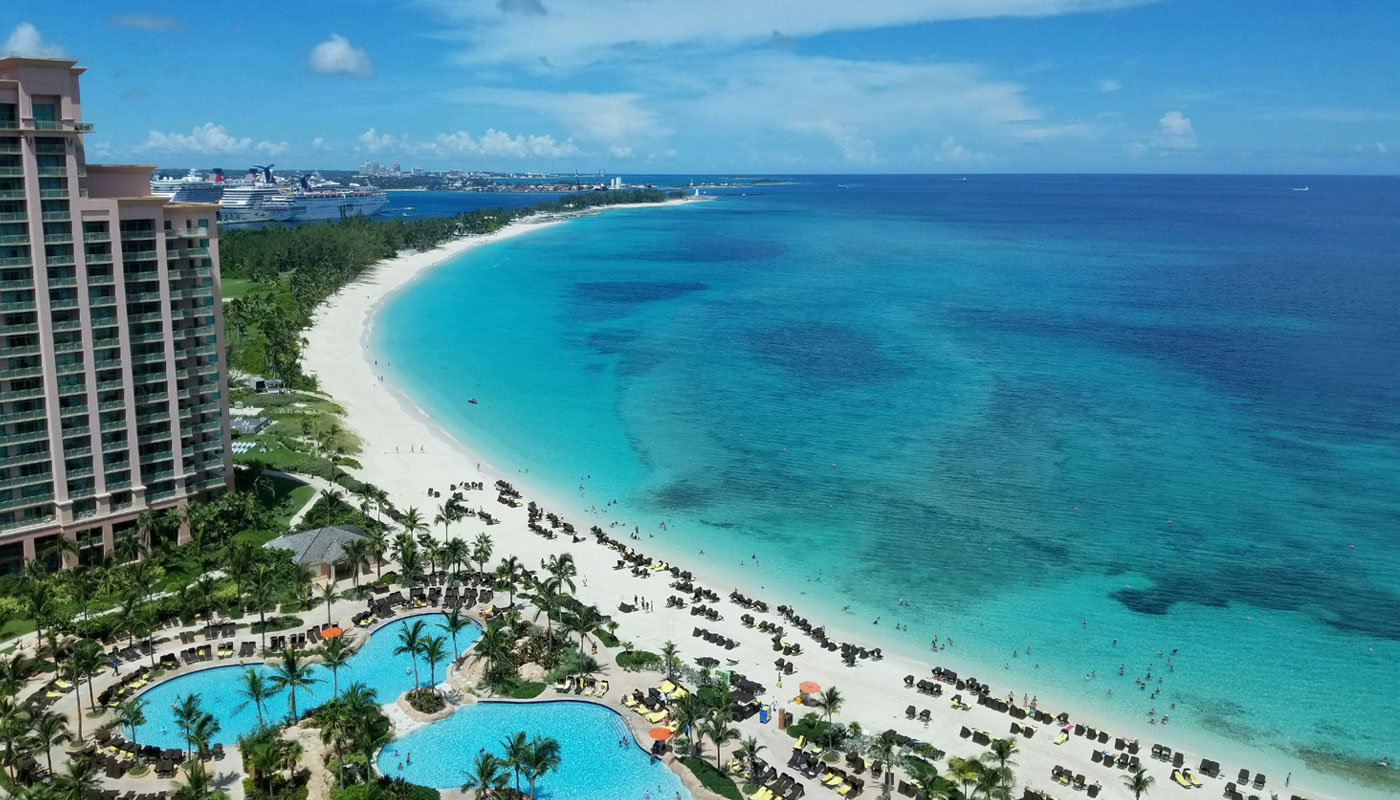
Photo by Allen Dewberry Jr on Unsplash
The Bahamas is an island nation in the Caribbean made up of more than 700 islands and cays, stretching across clear turquoise waters between Florida and Cuba. Known for its white-sand beaches, shallow seas, and vibrant marine life, the country offers a wide variety of island experiences, from lively resort centers to quiet, sparsely populated islands.
Each island has its own character. Some are known for bustling towns, cultural landmarks, and entertainment, while others are prized for untouched nature, calm beaches, and slower rhythms of life. The Bahamas combines modern infrastructure with natural beauty, making it easy to explore while still feeling distinctly island-focused.
With its warm climate, diverse islands, and welcoming atmosphere, The Bahamas appeals to visitors seeking both comfort and a strong connection to the sea and island landscapes.
Culture & History
Bahamian culture is shaped by African heritage, British colonial influence, and long-standing maritime traditions. The islands were originally inhabited by the Lucayan people before becoming part of European colonial routes and later a British territory. The Bahamas gained independence in 1973 and remains part of the Commonwealth.
Music, storytelling, festivals, and food play an important role in daily life. Junkanoo, a colorful street parade featuring music, costumes, and dance, is one of the country’s most recognizable cultural expressions. Hospitality and community ties are central to Bahamian identity, and visitors often experience a relaxed yet expressive cultural atmosphere.
Language
English is the official and primary language spoken throughout The Bahamas. This makes communication easy for most visitors, with English used in education, government, signage, and daily interactions.
Local dialects and expressions add character to everyday speech, but visitors generally have no difficulty understanding or being understood across the islands.
Best places to visit in The Bahamas
Nassau & Paradise Island
The cultural and commercial heart of The Bahamas, Nassau blends historic landmarks, waterfront areas, and busy local markets. Nearby Paradise Island is known for beaches and resort areas.
Exuma Islands
A chain of islands and cays known for shallow turquoise waters, sandbars, and open seascapes. The Exumas highlight the natural beauty the Bahamas is famous for.
Grand Bahama Island
Home to coastal towns, beaches, and national parks, Grand Bahama offers a mix of nature and everyday island life, especially around Freeport and Lucaya.
Eleuthera
Long and narrow, Eleuthera is known for dramatic coastlines, quiet beaches, and small settlements that feel removed from busy resort zones.
Harbour Island
Located near Eleuthera, Harbour Island is known for its pastel-colored buildings and distinctive pink sand beaches.
Abaco Islands
A group of islands and cays featuring calm waters, coastal villages, and traditional island communities.
Andros Island
The largest island in The Bahamas, Andros is largely undeveloped and known for wetlands, blue holes, and expansive natural landscapes.
Things to do in The Bahamas
Relax on White-Sand Beaches
With hundreds of islands and cays, The Bahamas offers an incredible variety of beaches, many of them calm, shallow, and naturally beautiful.
Explore Island Towns
Walk through historic streets, waterfront districts, and local neighborhoods to experience everyday life across different islands.
Discover Coastal Landscapes
From sandbars and shallow banks to rocky shorelines, the country’s geography is shaped by the sea at every turn.
Experience Local Culture
Festivals, music, and community events reflect Bahamian traditions and island heritage.
Visit Natural Parks
Several islands feature protected parks and nature reserves that showcase wetlands, forests, and coastal ecosystems.
Enjoy Island Hopping
Traveling between islands reveals how varied the Bahamas can be, from lively hubs to quiet, sparsely populated areas.
Spend Time by the Water
Coastal living is central to life in The Bahamas, whether walking along the shore or enjoying calm bays.
Try Local Cuisine
Fresh seafood and Caribbean-influenced dishes are common across the islands, often served in relaxed, coastal settings.
Best Time to Visit
The Bahamas enjoys warm weather year-round, with temperatures typically ranging from 24°C to 31°C (75°F–88°F). The most popular time to visit is from December to April, when conditions are drier and slightly cooler.
The period from May to November tends to be quieter and more humid, with fewer visitors and calmer island life. While this period overlaps with the Atlantic hurricane season, weather impacts vary by island and time of year.
Safety
The Bahamas is generally considered a safe destination, especially in well-visited areas and island communities. As with any destination, visitors should take standard precautions, such as being aware of surroundings and securing personal belongings.
Healthcare facilities are available on major islands, and emergency services are accessible. Many visitors find the islands welcoming, well-organized, and comfortable for travel.
Where to Stay
Accommodation in The Bahamas varies by island. Some areas are known for lively centers with easy access to dining and attractions, while others offer quieter settings focused on nature and privacy. Choosing the right island is often the most important part of planning where to stay.
Where to Eat
Dining across The Bahamas reflects Caribbean and international influences, with seafood playing a central role. Options range from casual local eateries to waterfront restaurants, often shaped by the character of each island.