Bermuda
Island Territory in the Atlantic (Caribbean-Adjacent)
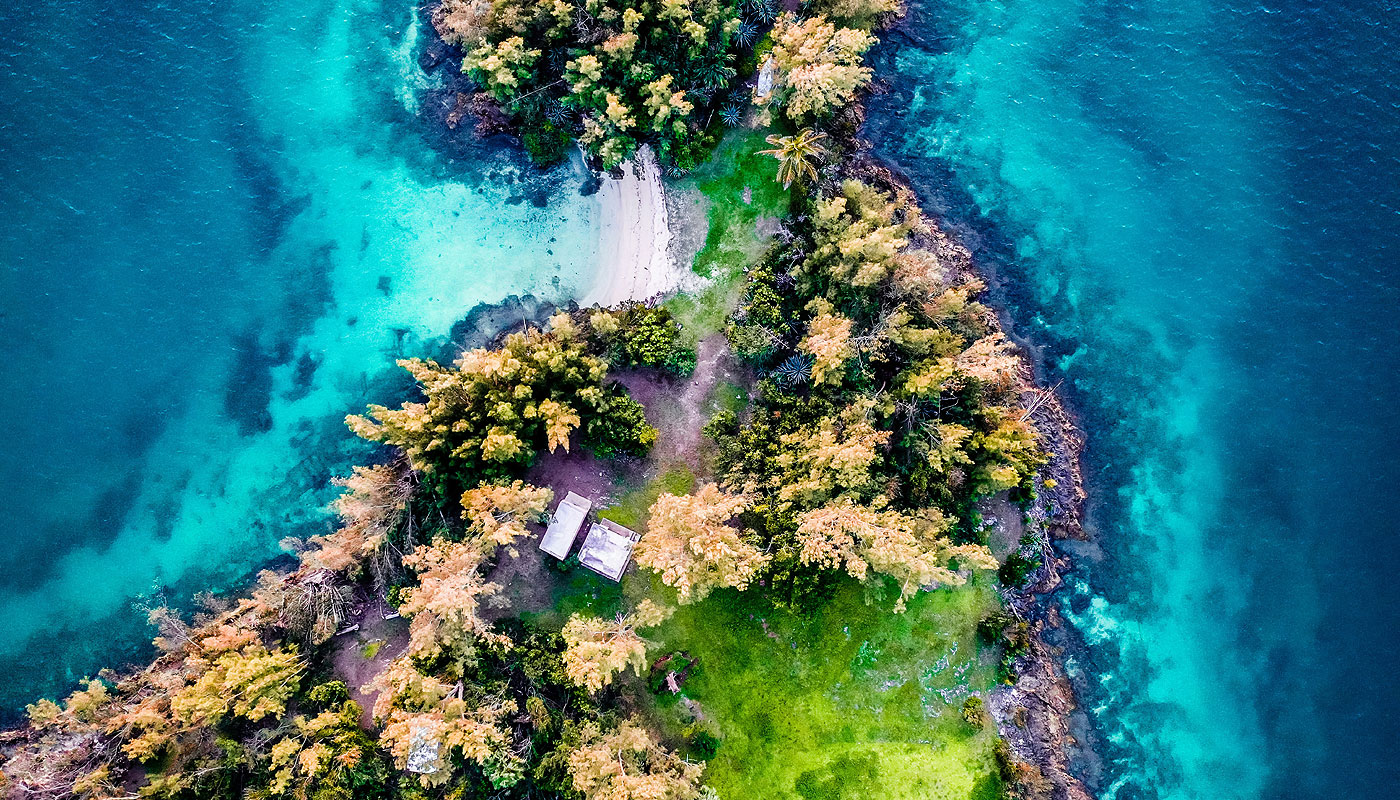
Bermuda is a North Atlantic island territory often grouped with Caribbean destinations due to travel patterns and lifestyle similarities, yet it offers a distinctly different experience. Located east of the United States, Bermuda is closer to the US East Coast than most Caribbean islands, making it a convenient option for shorter, high-quality island escapes.
Bermuda is known for its pink-sand beaches, orderly towns, and strong British influence. The island feels polished and calm, with well-maintained infrastructure, a high standard of public services, and a reputation for safety and cleanliness. Unlike many tropical islands, Bermuda has a cooler, milder climate, particularly outside peak summer months.
What sets Bermuda apart is its balance of island scenery and refined daily life. It appeals strongly to first-time island travelers, families, mature travelers, and those seeking a relaxed yet structured destination. While it shares visual elements with the Caribbean, Bermuda’s cultural tone, pace, and environment feel more restrained and composed, making it a clear alternative rather than a substitute for traditional Caribbean islands.
Culture & History
Bermuda’s cultural identity is deeply shaped by British heritage and maritime history. Settled in the early 17th century, the island developed as an important Atlantic outpost, influencing its architecture, governance, and social customs. British traditions remain visible today in public institutions, local etiquette, and everyday life.
Alongside British influence, African and Caribbean heritage has contributed to Bermuda’s cultural fabric, particularly in music, cuisine, and community traditions. This blend has produced a culture that feels formal yet welcoming, with a strong emphasis on civility, respect, and continuity.
Historic towns, stone churches, and forts reflect Bermuda’s long-standing connection to the sea. Festivals, local arts, and island cuisine offer insight into how tradition and modern island living coexist, giving Bermuda a cultural character that feels established rather than touristic.
Language
English is the official and primary language spoken throughout Bermuda. Communication is straightforward for visitors, with no language barriers in daily interactions, services, or signage.
Local speech includes a distinct Bermudian accent and expressions, but standard English is universally understood. This makes Bermuda especially accessible for first-time international travelers and families seeking ease of communication.
Best places to visit in Bermuda
Hamilton
The capital city and commercial center of Bermuda, Hamilton features a working harbor, shops, restaurants, and historic buildings.
St. George’s
A UNESCO-listed historic town with preserved colonial architecture and narrow streets.
Horseshoe Bay
One of the island’s most famous pink-sand beaches, known for its curved shoreline and clear waters.
Crystal Caves
Underground limestone caves with clear pools and dramatic formations.
Royal Naval Dockyard
A restored naval complex featuring museums, waterfront areas, and historic structures.
Elbow Beach
A quieter south shore beach known for its soft sand and open ocean views.
Things to do in Bermuda
Relax on Pink-Sand Beaches
Bermuda’s south shore beaches are known for their distinctive color and calm beauty.
Explore Historic Towns
Walk through centuries-old streets in St. George’s and Hamilton.
Snorkel Coastal Reefs
Clear waters and accessible reefs suit casual snorkeling.
Visit Caves and Natural Formations
Limestone caves offer a change from beach activities.
Walk Coastal Trails
Scenic paths connect beaches, cliffs, and coves.
Learn Maritime History
Museums and forts reflect Bermuda’s naval past.
Enjoy Local Cuisine
Island dishes blend British, Caribbean, and Atlantic influences.
Sail and Boat
Calm surrounding waters support leisurely marine activities.
Best Time to Visit
Bermuda has a subtropical climate with mild winters and warm summers. The most popular period to visit is from late spring through early autumn, when temperatures are warm and the island atmosphere is most lively.
Late spring and early summer offer comfortable weather with fewer crowds, while autumn remains pleasant and quieter. Winter months are cooler and less busy, appealing to travelers who prefer a calm environment and sightseeing over beach-focused trips. Seasonal differences are moderate, allowing Bermuda to function as a year-round destination depending on travel preferences.
Safety
Bermuda is widely regarded as a very safe destination with low crime levels and a strong sense of public order. Tourist areas, beaches, and towns are well-maintained and easy to navigate.
Visitors are advised to take standard precautions, such as safeguarding personal belongings and being mindful in less populated areas after dark. Overall, Bermuda’s safety record and stable environment make it especially suitable for families, solo travelers, and older visitors.
Plan Your Stay
Bermuda’s compact size allows visitors to experience beaches, towns, and historic sites without long travel times.
Where to Stay
The south shore is popular for beach-focused stays, while Hamilton offers central access and urban convenience. Quieter areas suit travelers seeking a more relaxed setting.
Where to Eat
Dining ranges from traditional Bermudian dishes to refined international cuisine, with a focus on fresh seafood and local flavors.