Bonaire
Island in the Southern Caribbean
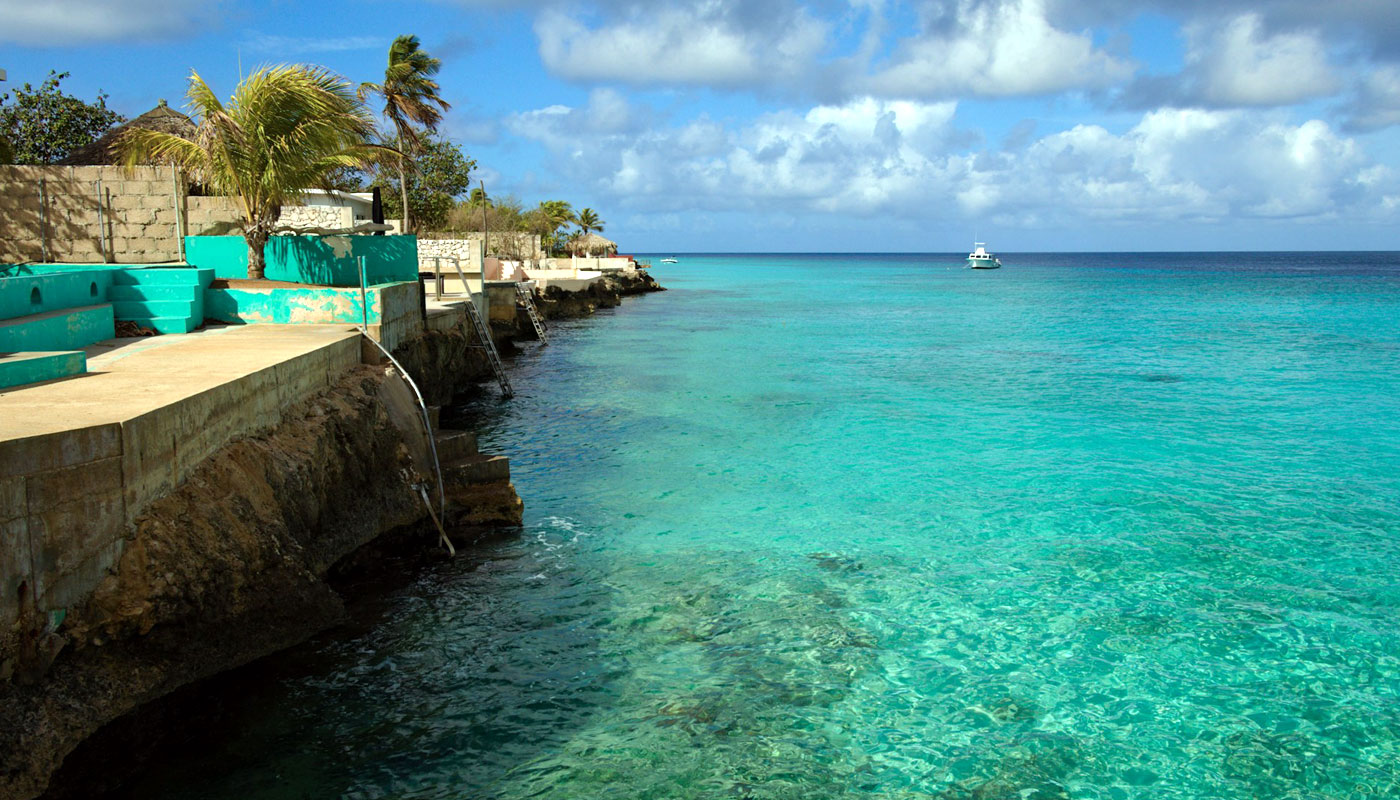
Photo by Stephen Pedersen on Unsplash
Bonaire is a small island in the southern Caribbean, located just off the coast of Venezuela and part of the Kingdom of the Netherlands. Known for its unspoiled landscapes, clear waters, and relaxed pace, Bonaire offers a quieter and more nature-focused experience compared to many Caribbean destinations. The island places a strong emphasis on conservation, which is reflected in its protected marine parks and natural areas.
Unlike larger resort-driven islands, Bonaire feels open and uncrowded. The coastline is rugged in places, with calm bays and coral-rich waters, while inland areas feature salt flats, desert-like terrain, and wildlife reserves. The island’s main town, Kralendijk, provides essential services, local dining, and a colorful waterfront without feeling overly commercial.
Bonaire is well suited for visitors who value nature, simplicity, and a slower rhythm of island life, while still enjoying modern infrastructure and a welcoming atmosphere.
Culture & History
Bonaire’s culture is shaped by a blend of Indigenous roots, African heritage, and European influence. Originally inhabited by the Caquetio people, the island later became part of Dutch colonial territories. Today, Bonaire remains a special municipality of the Netherlands while maintaining a strong local identity.
Cultural life on the island is closely connected to community traditions, music, and food. Festivals and local events celebrate Bonaire’s heritage and reflect its multicultural past. Daily life is relaxed and community-oriented, with hospitality and respect for nature playing an important role in local values.
Language
The primary language spoken in Bonaire is Papiamentu, a Creole language influenced by Portuguese, Spanish, Dutch, and African languages. Dutch is the official language used in administration and education.
English and Spanish are widely spoken, especially in tourism-related settings. Visitors generally find communication easy, as many locals are multilingual and accustomed to international guests.
Best places to visit in Bonaire
Kralendijk
The capital and main town of Bonaire, Kralendijk sits along a colorful waterfront lined with shops, cafés, and small restaurants. It’s the social and commercial heart of the island while maintaining a relaxed, walkable feel.
Washington Slagbaai National Park
This protected park covers a large portion of northern Bonaire and features rugged coastlines, hills, hiking trails, and scenic viewpoints. It highlights the island’s wild and undeveloped side.
Lac Bay
A shallow bay surrounded by mangroves and open water, Lac Bay is one of Bonaire’s most important natural areas. It offers calm conditions and rich ecosystems, especially for birdlife.
Salt Flats & Pink Lake
Located in the southern part of the island, the salt flats create striking geometric landscapes. Flamingos are often seen here, adding to the area’s unique visual appeal.
Seru Largu Viewpoint
This elevated viewpoint provides panoramic views across Bonaire’s landscape, from inland terrain to coastal areas.
1000 Steps Area
Named after a limestone staircase leading to the coast, this area is known for its dramatic cliffs and clear waters.
Things to do in Bonaire
Explore Protected Natural Areas
Bonaire places strong emphasis on conservation, with national parks and marine reserves that showcase the island’s unspoiled landscapes.
Enjoy Quiet Coastal Areas
Much of Bonaire’s coastline remains natural and uncrowded, offering peaceful spots to relax by the sea.
Observe Wildlife
Flamingos, birds, and marine life are commonly seen across the island, especially in protected regions and salt flats.
Walk Through Kralendijk
Stroll along the waterfront, browse local shops, and experience daily life in Bonaire’s main town.
Visit Scenic Viewpoints
Several elevated points across the island offer wide views of the coastline and inland terrain.
Experience Local Cuisine
Bonaire’s food reflects Caribbean and Dutch influences, with simple, fresh dishes served in relaxed settings.
Explore the Island by Road
The island’s small size makes it easy to explore different landscapes and regions at an unhurried pace.
Attend Local Events
Community gatherings and cultural celebrations provide insight into Bonaire’s traditions and lifestyle.
Best Time to Visit
Bonaire enjoys warm temperatures throughout the year, typically ranging from 27°C to 32°C (81°F–90°F). The island has a dry climate with low rainfall compared to many Caribbean destinations.
The most popular time to visit is between December and April, when weather conditions are slightly cooler and drier. The period from May to November is generally quieter and still offers pleasant weather, with fewer visitors. Bonaire lies outside the main hurricane belt, making severe weather disruptions uncommon.
Safety
Bonaire is considered a safe destination with a calm and welcoming atmosphere. Serious crime is rare, and the island’s small size contributes to a strong sense of community and security.
Visitors should follow basic precautions, such as securing valuables and being mindful of surroundings, particularly in less populated areas after dark. Healthcare facilities are modern and accessible, adding to the island’s overall safety and comfort.
Where to Stay
Bonaire offers accommodation options ranging from waterfront areas near Kralendijk to quieter residential zones closer to natural landscapes. Choosing the right area depends on whether you prefer convenience and dining access or a more secluded, peaceful setting.
Where to Eat
Dining in Bonaire is relaxed and unpretentious, with options that include local eateries, casual cafés, and seaside restaurants. The island’s food scene reflects its multicultural influences and slower pace of life.