Curaçao
Country in the Caribbean
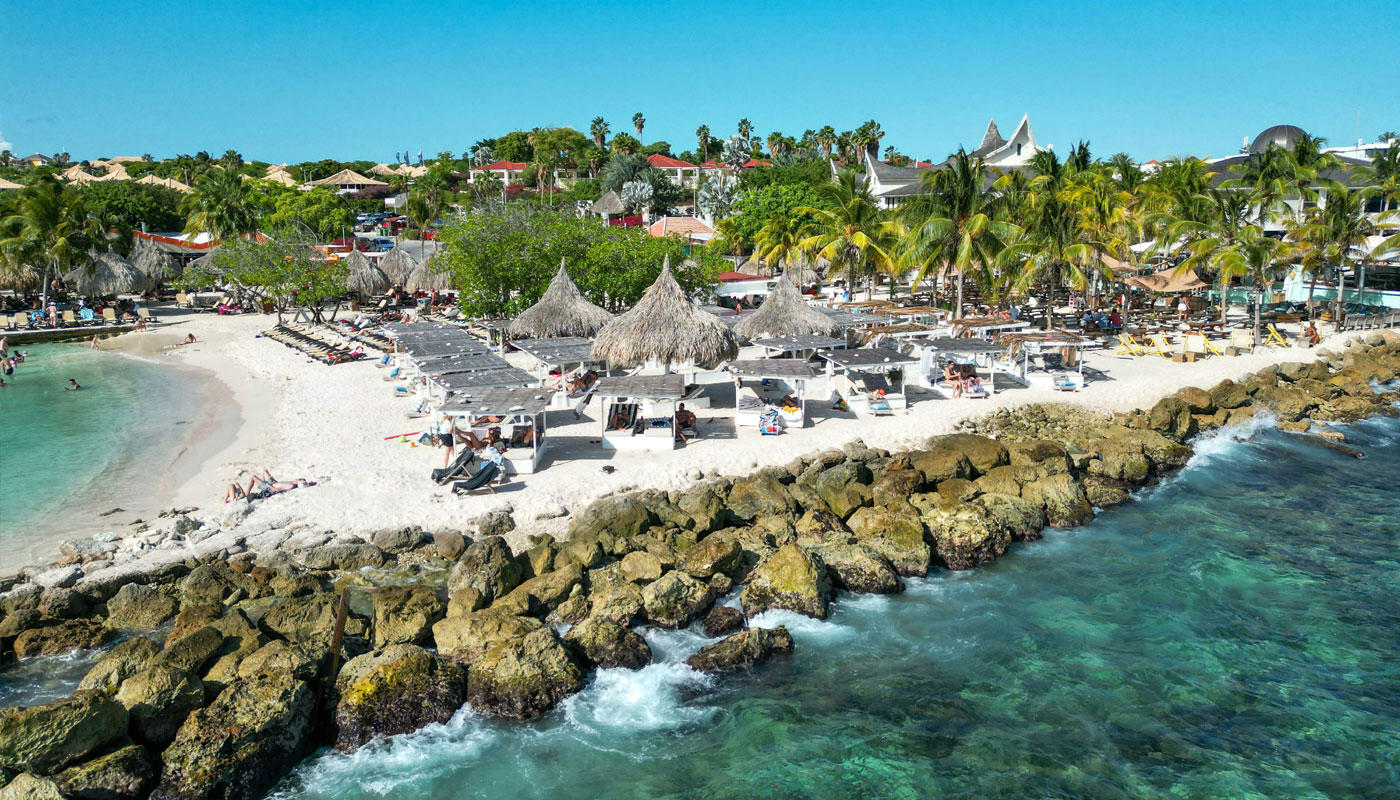
Photo by Bent Van Aeken on Unsplash
Curaçao is a Dutch Caribbean island located just north of the Venezuelan coast. Unlike many tropical islands defined primarily by beaches, Curaçao stands out for its layered culture, arid landscapes, and strong European-Caribbean fusion. The island is part of the Kingdom of the Netherlands, yet maintains a distinct identity shaped by African, Latin American, and European influences.
Curaçao’s geography contrasts sharply across regions. The southern coast features calm bays and natural harbors, while the northern shoreline is rugged, with cliffs shaped by constant trade winds. Inland areas are dry and hilly, dotted with cacti, salt flats, and historic landhuizen (plantation houses).
What defines Curaçao is cultural depth. It feels less resort-centric and more lived-in than many Caribbean destinations. The island appeals to travelers interested in history, architecture, marine life, and local identity rather than purely beach-driven experiences.
Culture & History
Curaçao’s history is closely tied to Dutch colonial rule, maritime trade, and migration. Established as a strategic trading hub in the 17th century, the island developed into a multicultural society shaped by African, European, Jewish, and Latin American communities. This diversity remains visible in architecture, religion, and everyday life.
The island played a significant role in regional commerce, which influenced its urban planning and international outlook. Slavery-era plantations, known as landhuizen, remain part of the physical landscape and historical narrative. Curaçao gained autonomous country status within the Kingdom of the Netherlands in 2010.
Cultural life today reflects continuity rather than reinvention. Music, local cuisine, and festivals coexist with Dutch-influenced governance and education systems, creating a destination that feels culturally complex, grounded, and intellectually engaging.
Language
Curaçao is linguistically diverse. Papiamentu is the most widely spoken language and reflects African, Portuguese, Spanish, and Dutch influences. Dutch is used in government and education, while English and Spanish are commonly spoken in daily interactions.
For visitors, communication is straightforward. English is widely understood, especially in tourism-facing settings, making Curaçao accessible despite its multilingual character.
Best places to visit in Curaçao
Willemstad
A UNESCO World Heritage city known for its colorful waterfront architecture and historic districts.
Shete Boka National Park
A rugged coastal park featuring dramatic wave-carved inlets and cliffs.
Christoffel National Park
The island’s largest protected area, home to Curaçao’s highest peak.
Playa Kenepa
A well-known beach with turquoise waters framed by limestone cliffs.
Hato Caves
Natural limestone caves with archaeological and geological significance.
Jan Thiel
A developed coastal area combining beaches and modern amenities.
Things to do in Curaçao
Snorkel and Dive Coral Reefs
Clear waters and healthy marine ecosystems.
Explore Historic Districts
Walk through neighborhoods shaped by centuries of trade.
Hike Natural Parks
Dry landscapes offer scenic, less-crowded trails.
Visit Landhuizen
Former plantation houses reflecting colonial-era life.
Experience Local Cuisine
A blend of Caribbean, European, and Latin influences.
Discover Street Art
Urban murals add modern cultural expression.
Watch Coastal Sunsets
Western-facing beaches offer consistent views.
Attend Cultural Events
Seasonal festivals showcase music and identity.
Best Time to Visit
Curaçao has a dry, semi-arid climate and lies outside the main Atlantic hurricane belt. Temperatures remain warm year-round, with steady trade winds providing relief from heat. The period from December to April is generally drier and slightly cooler, making it the most popular time to visit.
From May to November, conditions are warmer with occasional short rainfall, but overall weather remains stable. Seasonal differences are less pronounced than on many Caribbean islands, making Curaçao suitable for travel throughout the year with minimal climate-related disruption.
Safety
Curaçao is considered a safe and stable destination with a well-established tourism infrastructure. Serious incidents involving visitors are uncommon, and most travel experiences are trouble-free.
As with any destination, basic precautions such as securing valuables and remaining aware in less-populated areas are advisable. Road signage may vary outside urban centers, and driving requires attentiveness. Overall, Curaçao offers a calm and dependable environment for travelers.
Plan Your Stay
Curaçao’s regions offer varied experiences, from historic urban areas to quiet natural coastlines.
Where to Stay
Willemstad and the southern coast provide convenience and access to attractions, while western areas offer quieter, nature-focused settings.
Where to Eat
Dining reflects the island’s multicultural roots, ranging from traditional local dishes to international and contemporary Caribbean cuisine.