Finding Myself in Curaçao – A Journey I Didn’t Know I Needed
Food and Drink • April 18, 2023 • 4 min read
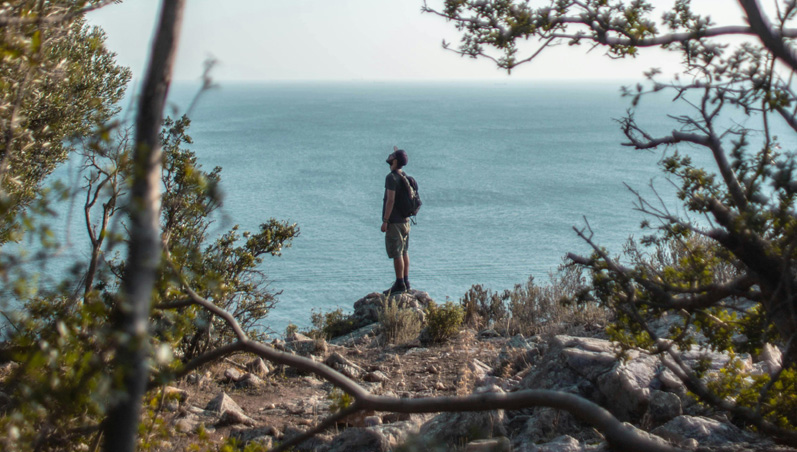
I booked Curaçao without telling anyone at first. I had spent months saying I was fine, pushing through days that drained me, pretending my body wasn’t begging for rest. When I finally clicked “confirm booking,” it felt like choosing myself after a very long time of choosing everything else. The flight from New York was quiet enough that I could think, and thinking was both a relief and a risk. I watched clouds in the window and wondered what version of me might return home.
The heat hit me in the most comforting way when I stepped onto the island. I stayed at a small boutique hotel near Pietermaai — colourful buildings, friendly staff, the kind of place where breakfast isn’t fancy but it comes with a genuine smile. My first meal was keshi yena, and I still think about how good it tasted because food somehow feels deeper when you are tired and finally safe.
I spent days wandering Wilmstad’s streets, taking photos of the bright Dutch architecture and swimming at Mambo Beach until my fingers wrinkled. One random moment I didn’t plan: I joined a group of strangers for beach volleyball. I didn’t know anyone, and I wasn’t good, but we laughed hard enough to forget the score, and it felt like belonging without effort.
The moment that melted something inside me came when I snorkelled near Tugboat Beach. Floating above bright fish and a sunken wreck, I realised how loud my life had become and how silent my joy had been. I didn’t cry, but I could have. It was the first time in a long time I wasn’t bracing for the next problem.
Coming home didn’t magically fix things, but Curaçao gave me proof that peace wasn’t a fantasy — it was a choice.
— Daniel Foster
Explore More
-
 Top 7 Caribbean Private Jet Destinations For 2016
 -
 Top 9 Caribbean Snorkeling Fish. #8 Are (Literally) Movie Stars!
 -
 What’s It Like Flying Around The Caribbean Islands? Interview With The Pilot
 -
 How to Get to Nevis: Flights, Airport & Map
 -
 Top 9 Celebrities In St. Barths. #7 Will Surprise You!
 -
 St. Barths West Indies Regatta 2015: Reconnecting Caribbean Islands With Traditional Sail
 -
 Nevis: Your #1 Beach Spot For Peace And Tranquility Flights From San Juan
 -
 The Baths, Virgin Gorda: Top 5 Activities You Must Try
 -
 5 Must-See Caribbean Islands This Spring
 -
 Top 3 Caribbean Honeymoon Destinations ( Anguilla, Nevis, St. Barths ) For Lifelong Memories
 -
 How To Party Like A Local In Nevis
 -
 Caribbean Bars: The Perfect Holiday To Wet Your Whistle
 -
 Anguilla Events This May: Regatta & Lit Fest 2015
 -
 7 Best Caribbean Golf Courses For 2016. #4 Lives Up To Its Name!
 -
 Top 7 Caribbean Souvenirs – Bring The Islands Home With You