Barbados
Island in the Caribbean
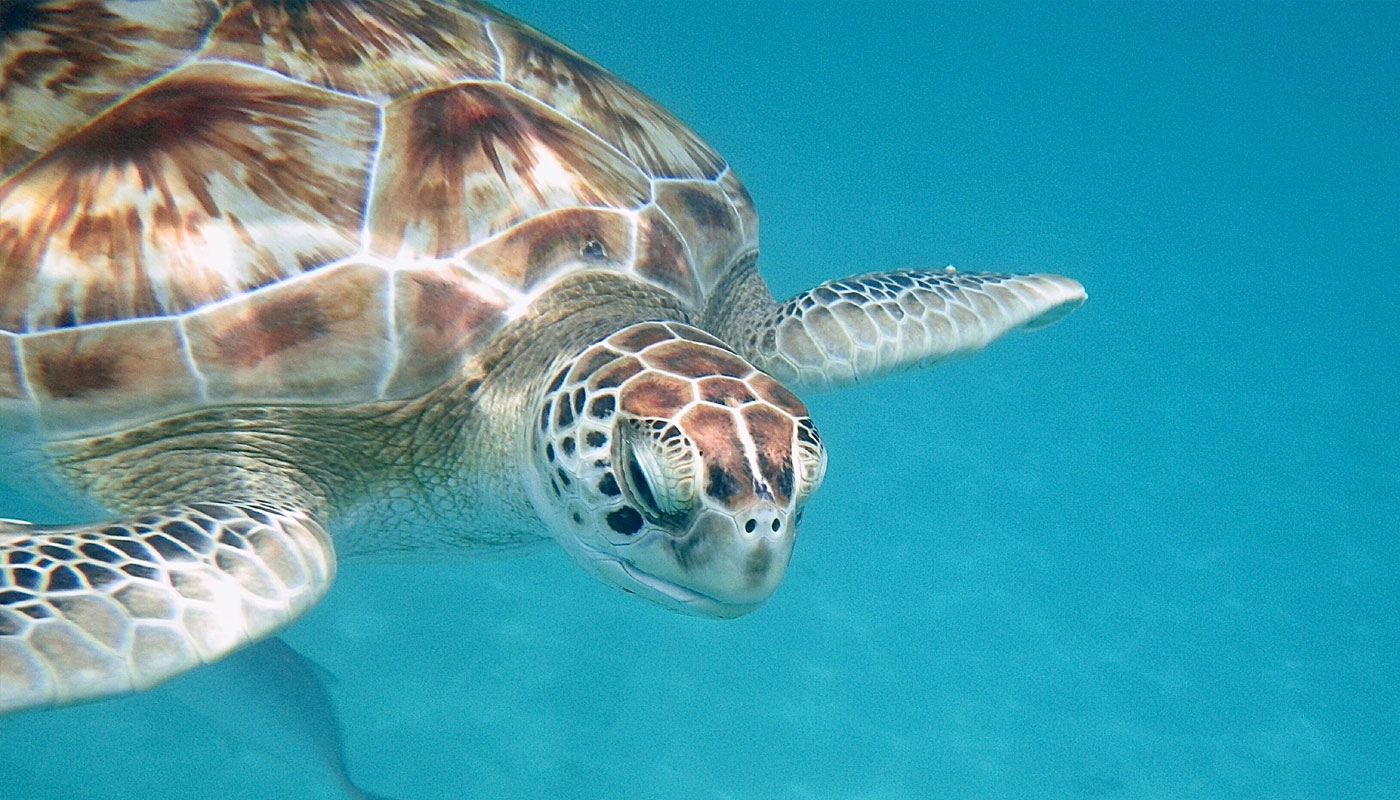
Photo by Bruce Barrow on Unsplash
Barbados is the easternmost island of the Caribbean, positioned where the Atlantic Ocean meets the Caribbean Sea. Compact yet diverse, the island is known for its well-developed infrastructure, calm social environment, and long-standing democratic traditions. Barbados feels distinctly ordered compared to many tropical destinations, offering reliability alongside natural beauty.
The west coast is defined by calm waters, coral reefs, and long sandy beaches, while the east coast faces the Atlantic with dramatic cliffs and powerful surf. Inland areas retain rolling hills, sugarcane fields, and historic plantation landscapes. Barbados is neither remote nor overwhelming—it is easy to navigate, culturally confident, and welcoming without being intrusive.
What distinguishes Barbados is balance. The island blends Caribbean warmth with British-influenced institutions, producing a destination that feels both relaxed and dependable. It appeals equally to leisure travelers, cultural explorers, and those seeking a first Caribbean experience without uncertainty.
Culture & History
Barbados was settled by the British in the early 17th century and remained under British rule until gaining independence in 1966. Unlike many neighboring islands, it experienced long periods of political stability, which shaped its institutions, architecture, and civic life. Parliamentary democracy, cricket culture, and Anglican churches remain visible legacies.
African heritage is equally central, influencing music, food, language, and festivals. Over time, these elements merged into a distinct Barbadian identity rather than existing as separate traditions. Sugar plantations and rum production played a defining role in the island’s economy and social structure, with Barbados widely regarded as the birthplace of rum.
Today, Barbadian culture values politeness, community, and continuity. Festivals such as Crop Over celebrate both historical roots and modern creativity, reflecting an island that respects its past while remaining socially grounded and forward-looking.
Language
English is the official language of Barbados and is used in government, education, and everyday communication. Visitors can navigate the island easily without language barriers.
Alongside standard English, locals commonly speak Bajan Creole, an expressive dialect shaped by African and British influences. While Bajan may sound fast or unfamiliar at first, locals naturally switch to standard English when speaking with visitors, making communication straightforward and welcoming.
Best places to visit in Barbados
Bridgetown
The capital city and a UNESCO World Heritage Site, Bridgetown showcases colonial-era buildings, historic garrisons, and a working harbor.
Harrison’s Cave
A crystallized limestone cave system featuring underground streams, stalactites, and spacious caverns.
Bathsheba
A rugged Atlantic-facing coastline known for dramatic rock formations and powerful waves.
Animal Flower Cave
A sea cave at the island’s northern tip with openings overlooking the ocean.
Holetown
One of the island’s oldest towns, blending history with modern amenities.
Oistins
A traditional fishing town known for its lively evening atmosphere.
Things to do in Barbados
Relax on West Coast Beaches
Calm waters and coral reefs ideal for swimming and snorkeling.
Explore Rum Heritage
Learn about the island’s long association with rum production and trade.
Experience Local Festivals
Seasonal celebrations highlight music, dance, and community traditions.
Visit Historic Plantations
Former estates provide insight into colonial and social history.
Watch Cricket Matches
A national passion with deep cultural significance.
Snorkel with Marine Life
Coastal waters host turtles and tropical fish.
Walk Coastal Trails
Scenic routes along cliffs and beaches.
Discover Local Markets
Everyday food culture and island produce.
Best Time to Visit
Barbados has a tropical climate with warm temperatures year-round. The drier season runs from December to April, offering lower humidity and consistent weather conditions. This period is considered peak season due to favorable climate and higher visitor numbers.
From May to June, conditions remain pleasant with fewer crowds and slightly higher humidity. July to October is warmer and more humid, with occasional rainfall, but also coincides with cultural festivals and quieter travel periods. Seasonal variation is moderate, making Barbados a year-round destination with different advantages depending on travel priorities.
Safety
Barbados is widely regarded as one of the safer destinations in the Caribbean. Violent crime involving visitors is uncommon, and tourism areas are generally well-policed and orderly.
Standard travel precautions apply, such as safeguarding personal belongings and avoiding poorly lit areas late at night. Road conditions are generally good, though roads can be narrow, and driving requires attentiveness. Overall, Barbados offers a stable and reassuring environment for travelers.
Where to Stay
West Coast areas are known for calm beaches and upscale surroundings, while the south coast offers a mix of beach access and local activity. Inland and east coast areas are quieter and more scenic.
Where to Eat
Dining ranges from traditional Barbadian cuisine and casual seaside eateries to refined restaurants blending Caribbean and international influences.